Imagine this scenario: a medical school applicant works hard to earn a competitive GPA and a high MCAT score; they submit their primary application on the opening date and submit their secondaries within two weeks of receiving the prompts; and they do well at their interview and are told to expect a decision within a …
When the adcoms ask you to write an essay about a flaw or weakness in your profile, and either you fail to offer any or the ones you present sound generic and insignificant, you are missing an opportunity to prove yourself. If you have learned and grown from your weakness(es) or succeeded in overcoming obstacles, …
The AMCAS Work and Activities section is where you will share all that you’ve done to prepare yourself for a career in medicine – your research, clinical experiences, paid employment, publications, leadership, extracurricular activities, awards, memberships, volunteer work, and advocacy and social justice efforts. The types of activities that you include, the length of time …
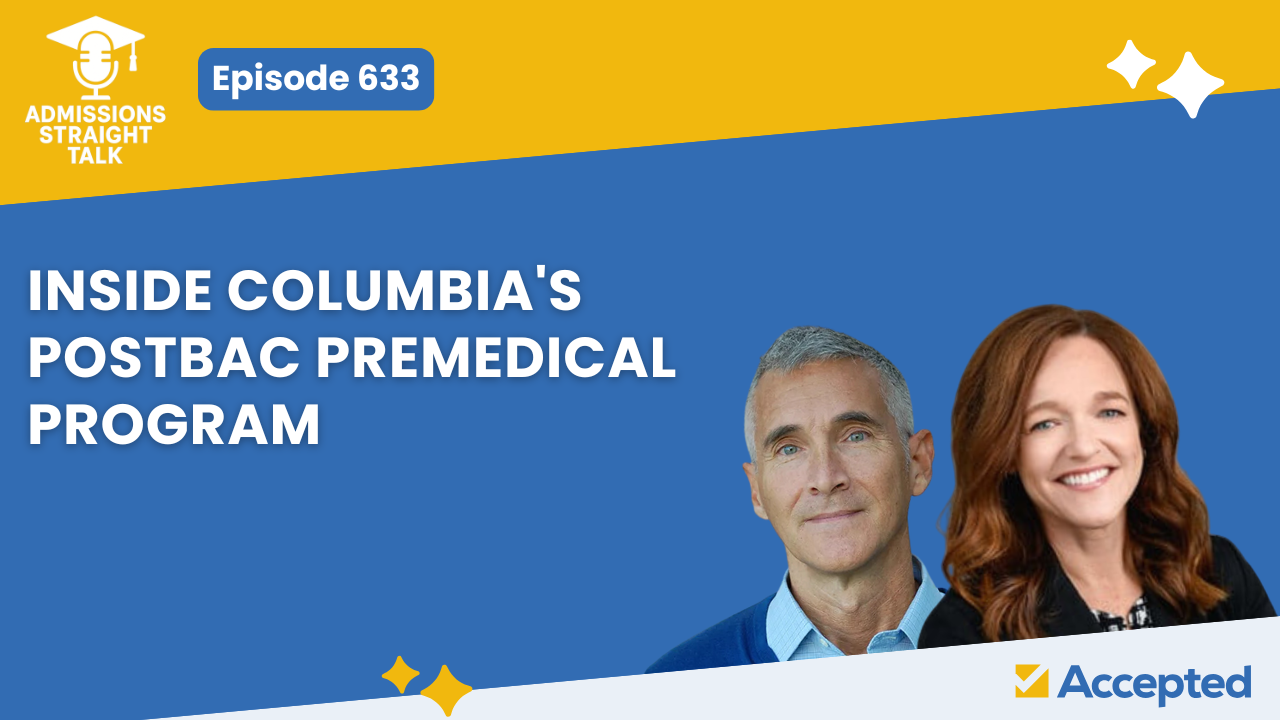
Dr. Valerie Wherley and Dr. James Colgrove discuss Columbia’s career-changer postbac premed program, from its rigorous science coursework and student support to linkage, and competitive applications.
Waitlisted at a medical school you love? A letter of interest can keep your candidacy alive when seats open up — as long as it includes what admissions committees are looking for. Here are the four must-haves: a clear, concise opening; specific reasons you fit that school; updates on what you have accomplished since applying; and honest evidence that you have strengthened any weak spots.
Sadly, the frustrating truth is that there’s no rule governing when a medical school must respond to your application. However, in this blog post, we’ll try to mitigate some of that frustration by answering some of the big questions you might have as an anxious med school applicant, including the following: When to Expect Secondaries …
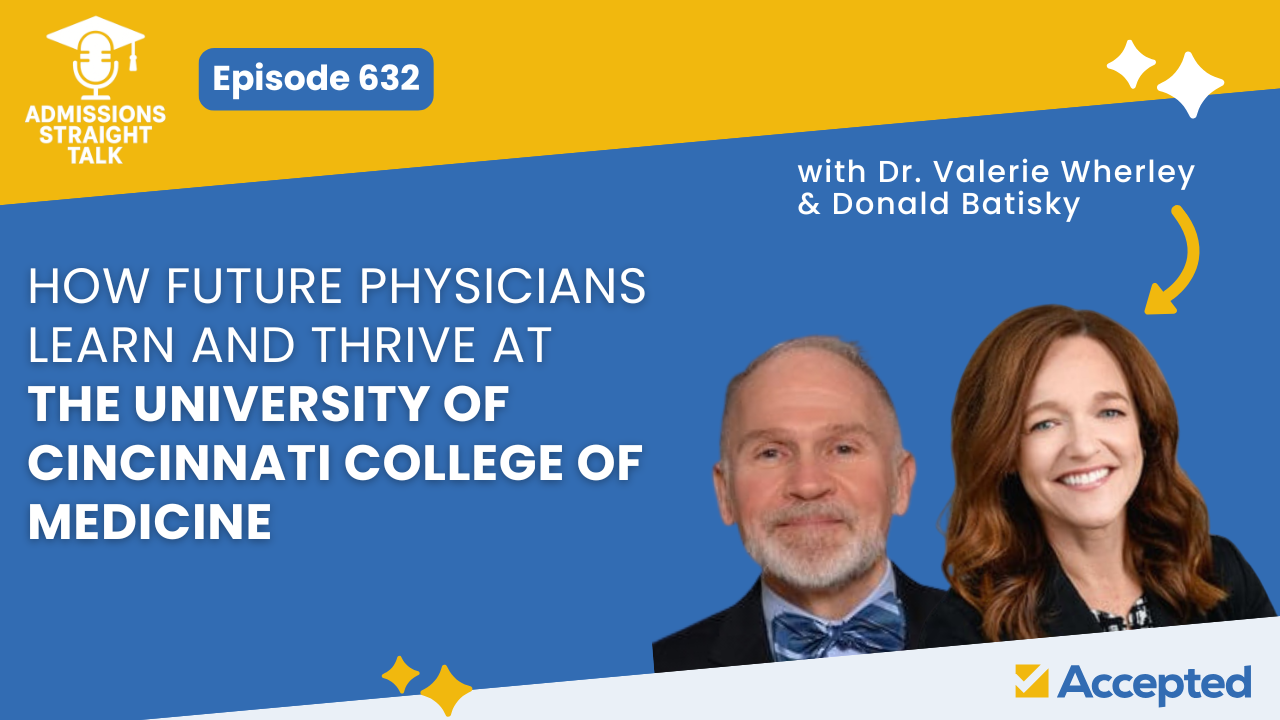
Dr. Donald Batisky explains how Cincinnati Medicine prepares future physicians through early clinical learning, community engagement, and student support, following a mission-focused admissions process.
As you begin your third year of medical school, what are you doing to prepare for the residency match? Chances are, you’re up to your eyeballs in rotations and exams and everything else that goes into the third year of your medical degree, and you’re probably not thinking much about your personal statement or future …
After your medical school interview, it is appropriate to send thank-you notes to all the people who helped you throughout the day. These days, most people send a thank you via email. Here are some helpful guidelines for doing so effectively. A thank-you email begins and ends with gratitude. It contains many of the same formalities …
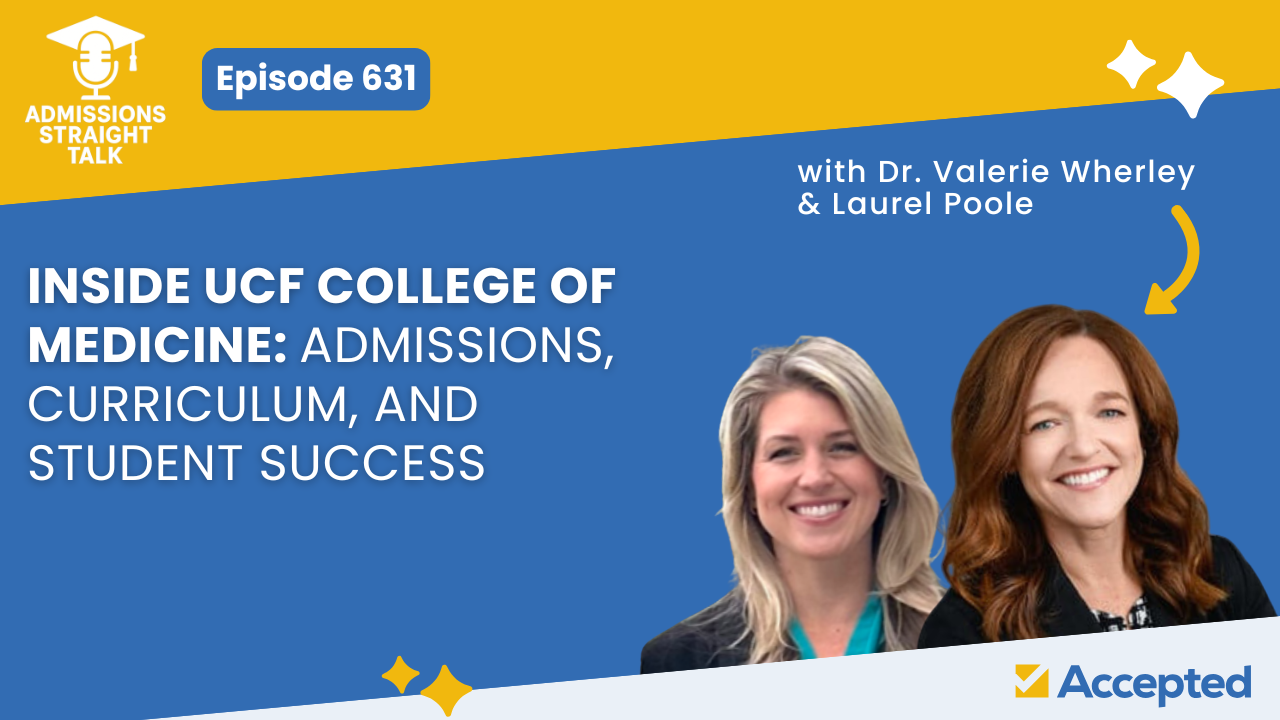
UCF admissions director Laurel Poole explains the medical school’s FIRE research requirement, early clinical training, student support, and holistic admissions criteria.
Founded in 1888, the University of Minnesota (UMN) Medical School has spent close to 140 years advancing medicine through education, research, and patient-centered care. With campuses in Duluth, St. Cloud, and the Twin Cities, the school offers students access to diverse clinical opportunities across urban and rural settings. Its MD curriculum emphasizes active learning, early …
Your residency interview is your chance to show programs you’re the right fit. Learn the most common questions, how to frame your story, and the best ways to practice.
Schedule a Personalized, No-Commitment Profile Evaluation
In this 30-minute session, one of our admissions consultants will review your profile, assess your chances of acceptance at your target programs, and tell you exactly where you stand.