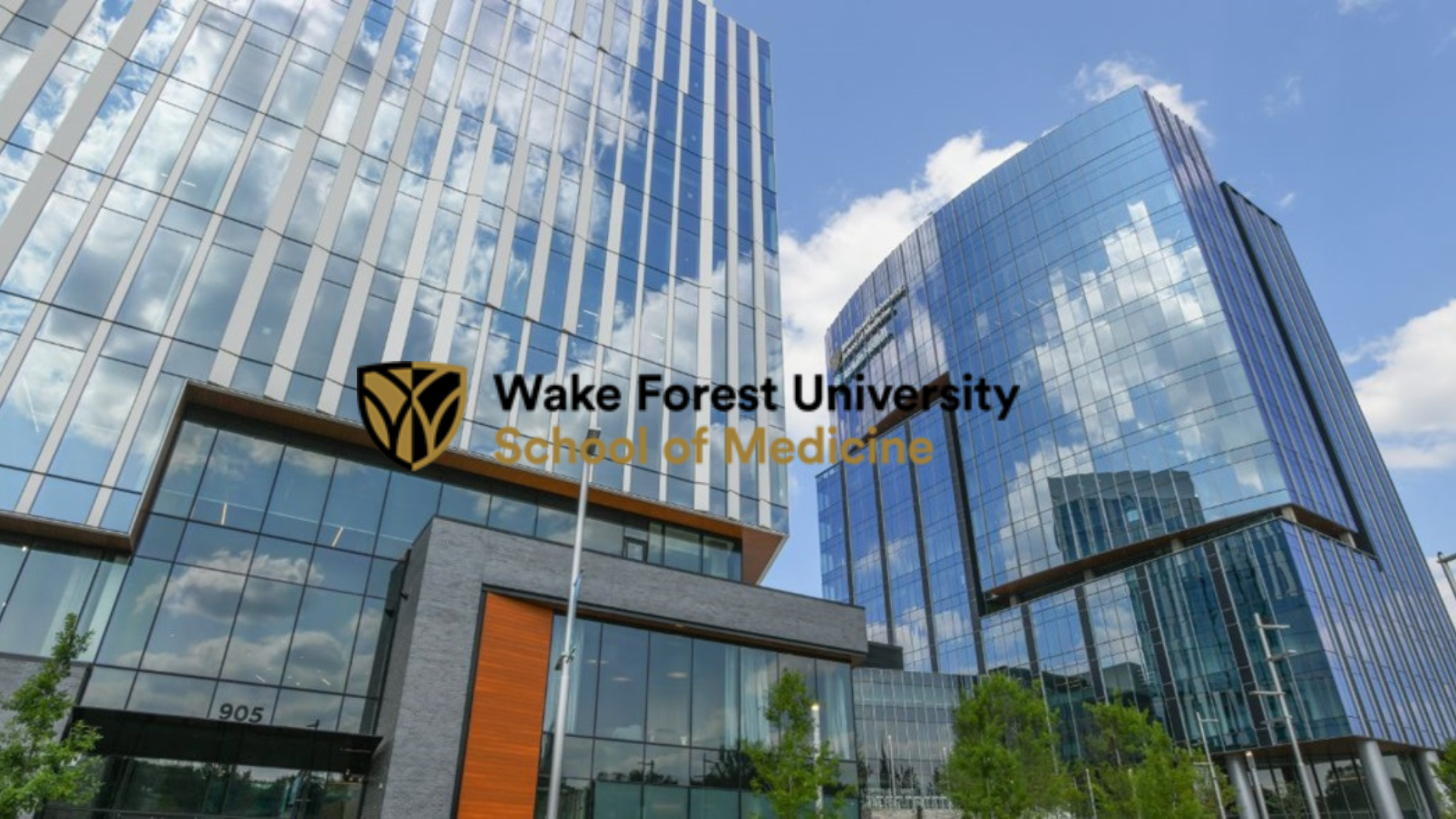
The Wake Forest University School of Medicine in North Carolina offers three collaborative learning campuses: Wake Forest Baptist Medical Center, Wake Forest Innovation Quarter, and the Clarkson Campus. As the academic core of Atrium Health, Wake Forest is one of the nation’s most selective MD programs. It prepares future healthcare leaders through innovative education, patient-centered …
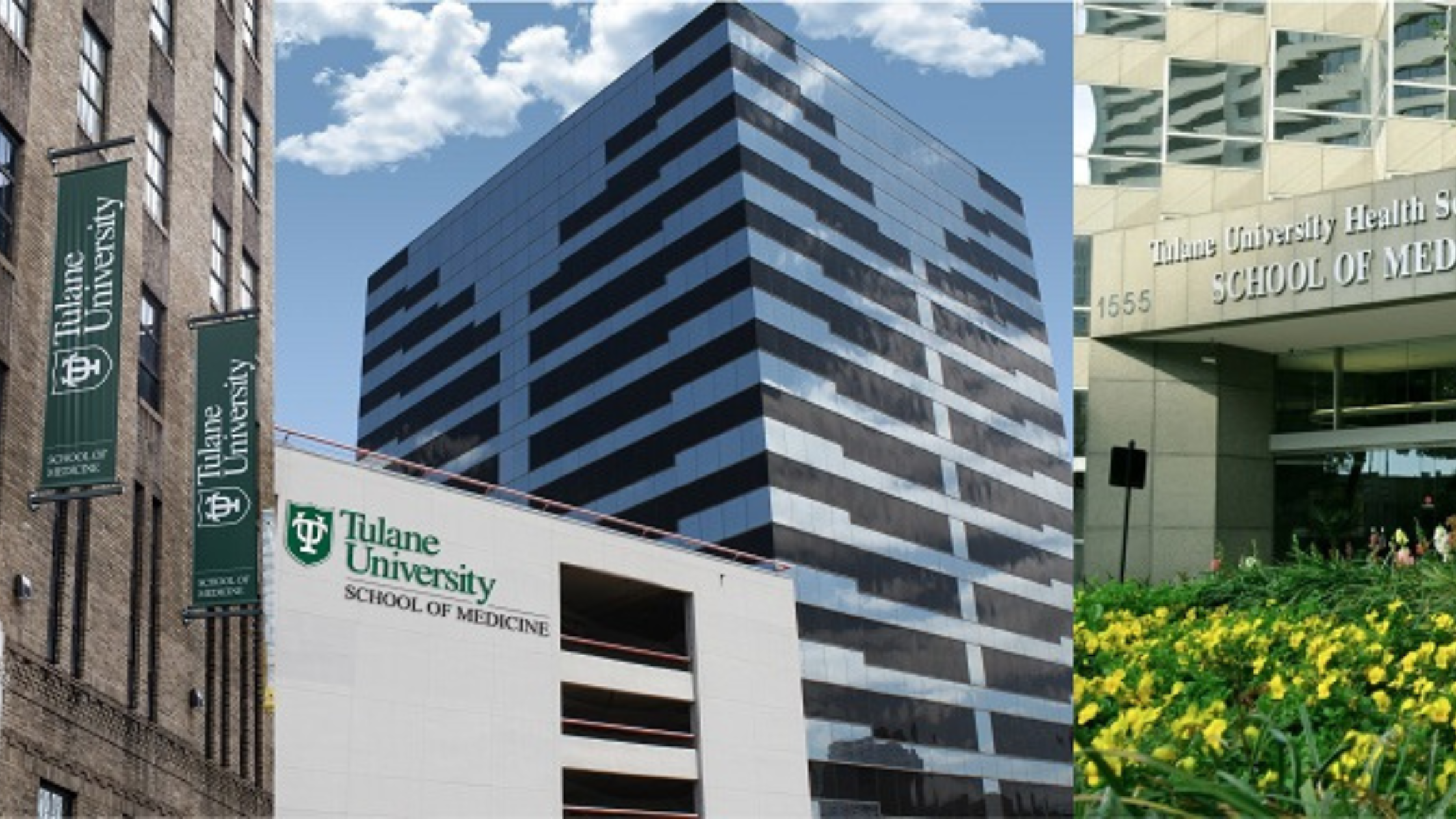
With almost 200 years of history, Tulane University School of Medicine (TUSOM) offers a comprehensive medical education rooted in innovation, community engagement, and clinical excellence. Located in the heart of downtown New Orleans, TUSOM provides students with early clinical exposure, system-based learning, and opportunities to explore dual degrees such as the MD/MPH, MD/MBA, and MD/MS …
Tufts University School of Medicine (TUSM) provides a rigorous, hands-on education that blends classroom learning with clinical and community experiences. Located on Boston’s Health Sciences Campus, TUSM offers students access to state-of-the-art facilities such as the Clinical Skills and Medical Simulation Center and a world-class anatomy lab. Students rotate through diverse clinical environments – from …
It’s June, and you’ve submitted your application to medical school. That’s perfect, but are you feeling restless now? Many medical school applicants feel as though they are pacing the floors during the down weeks between submitting their primary application and receiving secondary essay prompt invitations. If this is you, why not begin prewriting your secondaries …
Once you file the AACOMAS application and choose your schools, the process is not yet over. You will start to receive secondary essay prompts for each school, often with a two-week deadline. Although some prompts are common and expected (e.g., “Explain your biggest challenge” or “Tell us about significant volunteer experience with a vulnerable population”), …
In the medical school admissions process, your MCAT score and GPA carry significant weight. If the rest of your application is stellar, having less-than-perfect stats likely won’t prevent you from being accepted. However, having low stats might. A “low” GPA or MCAT score is one that falls significantly below the average or median at the school you’re …
A BS/MD program is a direct pathway from high school into medicine. In these programs, high school seniors are accepted into college and medical school at the same time (though conditions apply, based on success in college, academic metrics, leadership, maturity, and clarity of commitment to medicine). BS/MD programs are highly competitive, with acceptance rates …
You don’t just graduate from med school and then apply for a job. Let’s take a look at the path to becoming a doctor following graduation. Table of Contents Phase 1: Internship Some programs call the internship a PGY-1 (post-graduate Year 1). At this stage, you have an MD or DO after your name, but …
A 2018 study published in MedEdPublish reveals that medical students who reported having physician parents or grandparents were less likely to express intentions to practice medicine among the underserved. If you have a parent who is a doctor, to gain admission to medical school, it’s vital to demonstrate that you really care about medicine and …
You know you want to become a doctor, but you also realize that you’re not quite ready for medical school. Whether that’s because your academic profile isn’t as competitive as it needs to be; your GPA or MCAT score needs attention; you’re low on clinical, volunteer, or research hours; or you’re a career changer (in …
Predictably, the rate at which aspiring medical school students are taking a gap year is rising. According to the AAMC’s 2024 student questionnaire, 74.3% of M1s took at least one gap year between their undergraduate education and starting medical school. That rate was 60% in 2017. Clearly, the takeaway from this data is that the …
After your medical school interview, it is appropriate to send thank-you notes to all the people who helped you throughout the day. These days, most people send a thank you via email. Here are some helpful guidelines for doing so effectively. A thank-you email begins and ends with gratitude. It contains many of the same formalities …
Schedule a Personalized, No-Commitment Profile Evaluation
In this 30-minute session, one of our admissions consultants will review your profile, assess your chances of acceptance at your target programs, and tell you exactly where you stand.