How Future Physicians Learn and Thrive at the University of Cincinnati College of Medicine [Episode 632]
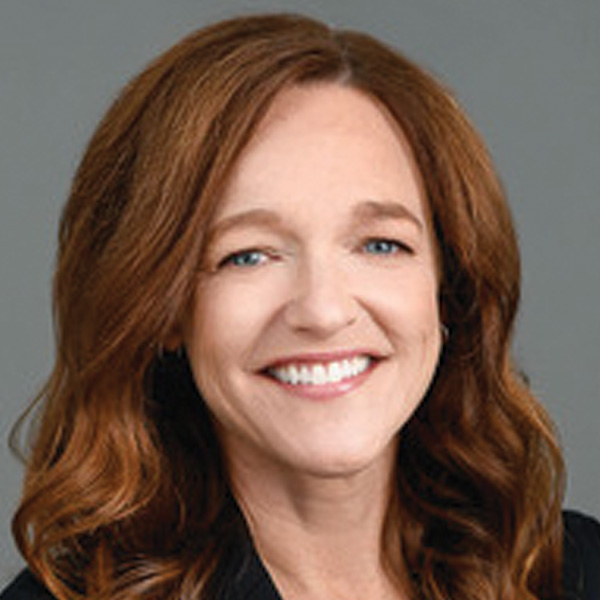
In this episode of Admissions Straight Talk, host Dr. Valerie Wherley speaks with Dr. Donald Batisky, associate dean of medical student admissions and special programs at the University of Cincinnati College of Medicine. Their conversation reveals how the school connects science, clinical practice, community engagement, and personal growth—and what that approach means for prospective applicants.
Table of Contents


Community Engagement Is Part of Learning Medicine
Cincinnati College of Medicine introduces students to the communities they will serve from the beginning of medical school. Through the “Physician and Society” course and the Learning Communities program, students examine patient cases in the context of social determinants of health, health literacy, transportation, insurance, and other factors that can shape outcomes.
Students also work in small groups with established community organizations. Dr. Batisky emphasizes that they do not enter as outsiders who already know the answer; they listen to each organization, identify its priorities, and contribute in ways that support its work. Projects might address health literacy, tutoring, food or housing insecurity, or another community-defined need. This model teaches students to see patients as members of families, neighborhoods, and larger systems—not as diagnoses in isolation.
Early Clinical Exposure Gives the Science Meaning
Clinical learning begins well before the traditional clerkship years. Patient experiences help students understand why foundational science matters and give them repeated opportunities to connect knowledge with practice.
Standardized patients are especially valuable because students can practice interviews, physical exams, and difficult conversations in a lower-stakes environment. These trained participants can provide immediate, direct feedback on communication and technique. Students can try an approach, receive guidance, and repeat the encounter before caring for patients facing consequential decisions. The result is not simply earlier exposure; it is a structured way to build confidence, judgment, and humility.
Curiosity Opens Doors Beyond the Core Curriculum
As a large academic medical center, Cincinnati College of Medicine offers research, specialty exploration, leadership experiences, and combined-degree programs, but students must remain curious enough to seek them out. Dr. Batisky points to options such as the MD/MPH and MD/MBA as opportunities that might be underused. These programs can help students deepen their interest in public health, healthcare systems, leadership, or data-informed change.
Thriving and Applying Successfully Require Authenticity
Dr. Batisky’s advice for thriving begins with remembering your reason for choosing medicine. He also encourages students to maintain relationships, hobbies, and forms of wellness that genuinely work for them.
That same authenticity matters in admissions. Cincinnati College of Medicine looks for enough “academic horsepower” to handle medical school and the personal qualities that support its mission. A competitive application would present a cohesive picture across the personal statement, secondary essays, experiences, recommendations, and the interview. The admissions committee already has your grades and MCAT score; it also wants to understand who you are, what motivates you, how you contribute to a community, and whether your record supports the story you tell.
Related Resources:
- Donald Batisky, MD, University of Cincinnati College of Medicine
- University of Cincinnati College of Medicine Office of Medical Admissions
- University of Cincinnati College of Medicine Pre-Clerkship Curriculum
- “Physician and Society” Course Service-Learning Experience
- Accepted’s Medical School and Healthcare Admissions Consulting
Related Episodes