Inside UCF College of Medicine: Admissions, Curriculum, and Student Success [Episode 631]
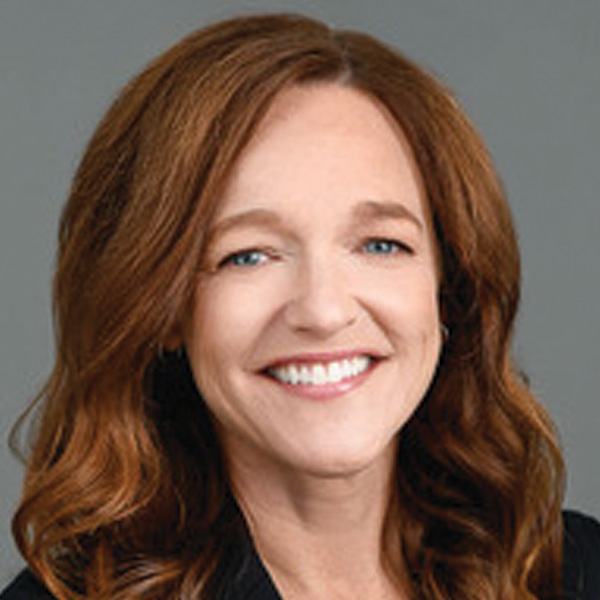
Laurel Poole, director of MD program admissions at the University of Central Florida College of Medicine, joins Dr. Valerie Wherley to discuss how UCF educates future physicians and evaluates prospective students. Although UCF is younger than many medical schools, it has built a strong applicant pool by emphasizing residency outcomes, hands-on learning, research, service, and student support.
If UCF is on your school list, this conversation offers more than a tour of the program. It also reveals how the qualities UCF values in its curriculum connect directly to what its admissions committee seeks in applicants.
Table of Contents


Student Success Shapes UCF’s Reputation
UCF College of Medicine was founded in 2006 and is approaching its 20th anniversary. Laurel explains that being a newer medical school creates a powerful incentive to invest in students: the school’s reputation depends on their success.
Applicants can review UCF’s match outcomes and see graduates entering competitive specialties and residency programs across the country. The school also offers a well-developed career advising program and a growing alumni network. Some graduates have returned to Orlando to practice medicine and teach current students, strengthening the medical community that UCF was created to help build.
Research Is Built into the First Two Years
Every UCF medical student completes the Focused Individualized Research Experience, known as FIRE, during the M1 and M2 years. Students choose a medical research area, work with faculty mentors, and present their findings at an internal conference at the end of the second year.
This structure gives students dedicated time to develop research skills without requiring them to find a project entirely on their own. UCF maintains a database of faculty members who are ready to mentor students, and the program supports participants ranging from research beginners to students who enter medical school with advanced research experience.
FIRE also gives students a measure of autonomy within an otherwise structured curriculum. More importantly, it prepares them to discuss evidence-based medicine and their scholarly work during residency interviews.
Clinical Learning and Community Service Start Early
Through UCF’s Community of Practice program, students move from simulated patient encounters into community clinical settings during the first year. More than 80 community physicians serve as preceptors, helping students practice patient histories, communication, and other clinical skills before the formal clerkship years.
Students can also serve through more than 65 student organizations and five student-run free clinics. These opportunities include working with underinsured and uninsured patients, veterans, children, and people experiencing homelessness. M1 students can begin participating in the clinics and then take on greater responsibility as they progress through the curriculum.
Competitive Applicants Demonstrate the Head and Heart for Medicine
UCF follows a holistic review in its application process, but Laurel is clear that “holistic” does not mean academics are ignored. Applicants must demonstrate that they can succeed in a rigorous medical curriculum. Strong metrics alone, however, are not enough.
The admissions committee also looks for meaningful clinical activities, physician shadowing, research, teamwork, leadership, perseverance, and consistent community service. Laurel emphasizes the importance of sustained involvement rather than brief experiences completed to satisfy an application expectation. Your personal statement and activities should tell the same story: if you describe yourself as compassionate and service oriented, your record should provide evidence.
UCF wants students who will care for patients, contribute to their community, and persist when medicine becomes demanding. As Laurel puts it, applicants cannot simply “talk the talk”; they must “walk the walk.” The strongest application demonstrates both the head and the heart for medicine.
Related Resources
- UCF College of Medicine MD Admission Requirements
- UCF Contact MD Program Admissions
- 2026-2027 AMCAS Work and Activities Section: What to Include (with Examples)
Related Episodes
- Episode 625: Inside COMP: What the College of Osteopathic Medicine of the Pacific Looks for in Applicants
- Episode 619: From Street Clinics to Neurosurgery: How TUCOM Trains Physicians Who Stand Out
- Episode 618: Inside Baylor College of Medicine: Admissions, Curriculum, and What Makes a Strong Applicant